2026-09-15 ·
Prevent Tree Roots from Damaging Foundations in El Monte
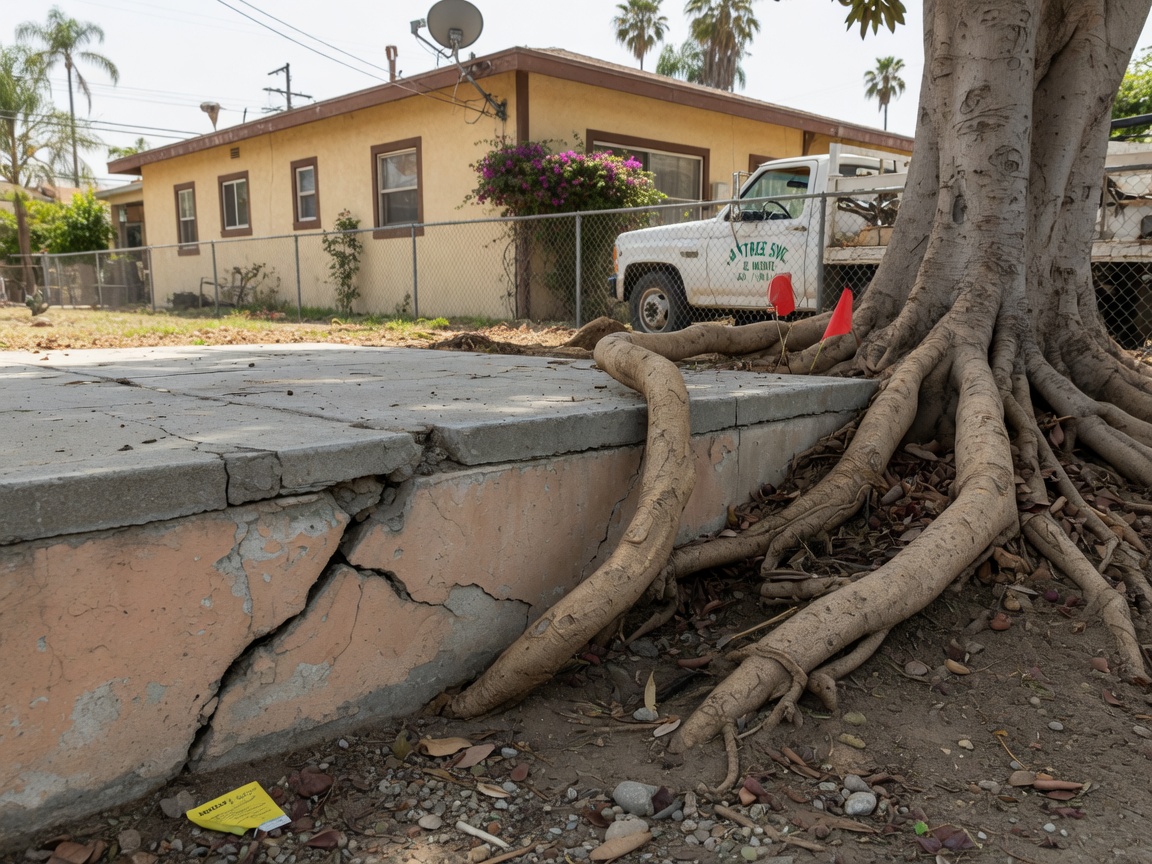
To prevent tree roots from damaging foundations in El Monte, keep new plantings at least 25 feet from the house and schedule professional root pruning every 4–6 years on mature trees near older concrete slabs common in North El Monte and Downtown El Monte.
How El Monte's Climate and Soil Drive Root Behavior
El Monte's warm Mediterranean climate features hot, dry summers and mild winters that push tree roots toward consistent moisture sources such as irrigation lines and shallow foundation footings. In Los Angeles County neighborhoods with older housing stock, clay-heavy soils crack during summer heat and expand in winter rains, creating pathways for roots to follow water under slabs. Homeowners in South El Monte and near Legg Lake see faster root spread because the terrain stays slightly moister year-round. Regular deep watering away from the foundation and soil aeration reduce this attraction without stressing the tree. When roots already reach within 10 feet of a footing, targeted root pruning becomes necessary to redirect growth before heaving occurs.
Trees Most Likely to Affect Foundations in Local Neighborhoods
Ficus, mulberry, and elm trees planted decades ago in El Monte yards frequently send aggressive surface roots toward house foundations, especially in compact lots around Arroyo High and the El Monte Historical Museum area. These species thrive in the region's mild winters and can extend roots 30–50 feet in search of water. In contrast, native oaks and properly maintained pines near West Covina borders pose lower risk when spaced correctly. Residents in Baldwin Park and Arcadia often inherit these problem trees from previous owners, making species identification the first step before any foundation work. Checking canopy size against the distance to the house helps predict underground reach.
Signs of Root Pressure and Early Monitoring Steps
Look for stair-step cracks in stucco, doors that begin sticking seasonally, or small soil mounds along the foundation edge after heavy winter rains. In El Monte's older blocks, these symptoms appear faster on south-facing walls where summer heat dries soil unevenly. Walk the perimeter monthly and note any new root visibility within 15 feet of the structure. Document changes with photos to track progression over one or two growing seasons. When cracks widen beyond 1/8 inch or floors slope noticeably, professional assessment prevents minor issues from becoming structural repairs.
Practical Prevention Through Root Pruning and Maintenance
Root pruning performed by an experienced crew limits extension while preserving tree stability. Cuts should occur 18–24 inches from the foundation face and only on roots smaller than 2 inches in diameter to avoid destabilizing the tree. Pair this work with deep root fertilization applied outside the pruned zone to encourage downward growth. Homeowners in El Monte can reduce future problems by replacing high-risk trees with slower-growing species suited to local conditions. For properties already showing damage, root damage repair restores soil stability after pruning. Seasonal checks align with Top 7 Seasonal Tree Problems in El Monte & How to Solve Them to catch issues before summer heat accelerates root activity.
When Professional Root Management Is Required
If roots have already lifted pavement or entered utility trenches near the El Monte City Hall district, call for root pruning rather than attempting DIY cuts that can kill the tree or create hazards. A tree risk assessment identifies which limbs or roots need attention first. Properties in North El Monte with multiple mature trees benefit from an annual inspection schedule that includes soil moisture readings. This approach keeps foundations intact while maintaining the urban canopy that shades homes during peak summer temperatures.