2026-09-15 ·
How to Prepare Your El Monte Property for Tree Pruning This Summer
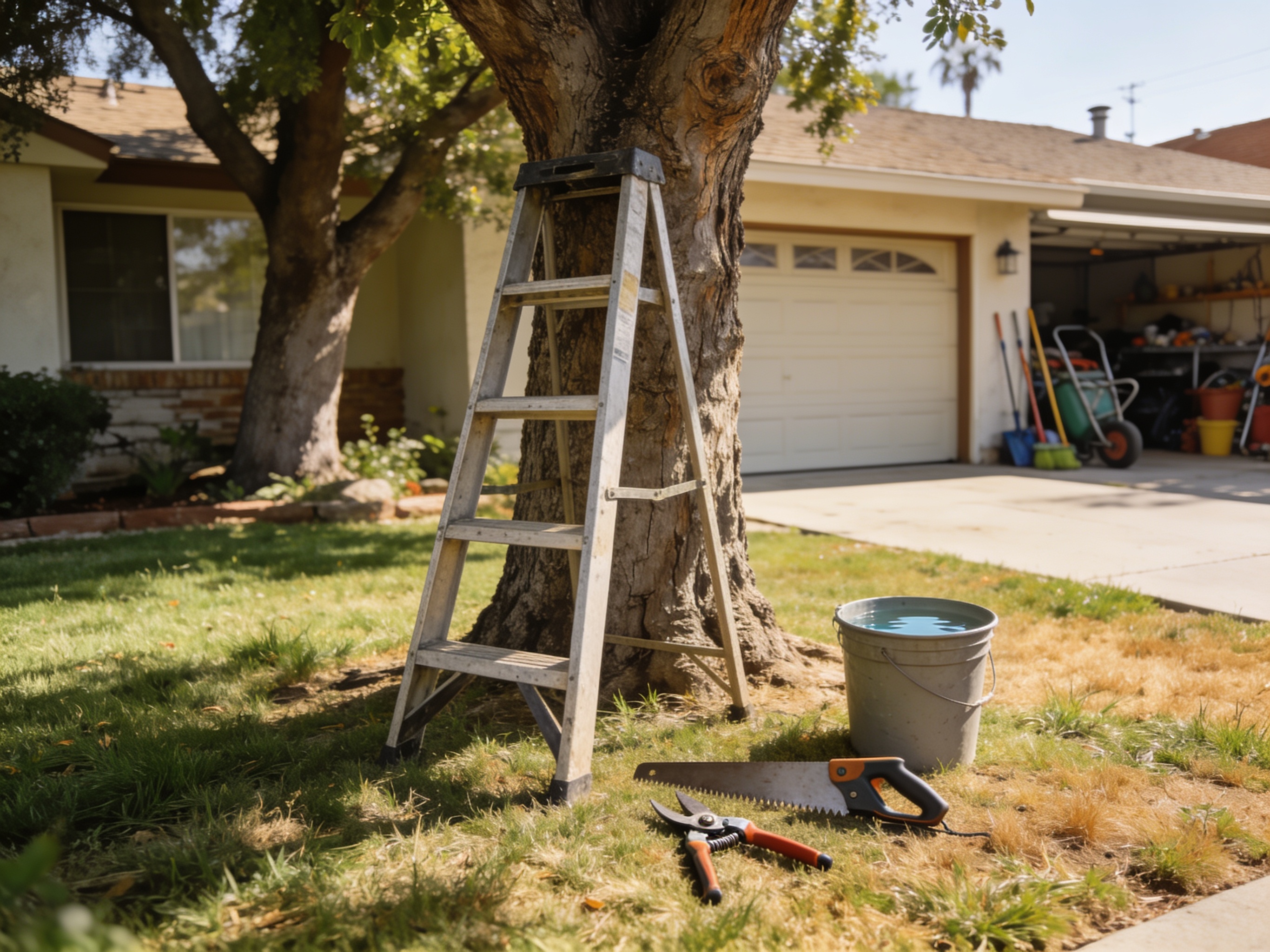
To prepare your El Monte property for tree pruning this summer, begin with a full inspection of canopy density and deadwood in late spring before temperatures climb, allowing crews to work safely around mature trees common on older lots in South El Monte and near El Monte City Hall.
Checking Tree Condition After Mild Winters
El Monte’s warm Mediterranean climate brings mild winters that let many species hold leaves longer, so inspect for hidden cracks or fungus before summer heat stresses the canopy. Walk the yard in North El Monte and note any limbs leaning toward homes or power lines, especially on properties with 40- to 60-year-old housing stock where roots have had decades to spread. Measure clearance needed for equipment by marking spots at least 10 feet from fences or vehicles. Document any signs of stress such as early leaf drop so the crew can prioritize crown cleaning. This step prevents delays once crews arrive from 10958 Valley Mall during their Mon–Fri 8am–6pm or Sat 9am–2pm windows. Residents near Legg Lake often find extra moisture encourages faster growth, requiring earlier deadwood removal to keep branches from breaking in sudden summer gusts.
Clearing Access and Ground Prep in Local Neighborhoods
Older lots in Downtown El Monte and Arroyo High area frequently have narrow side yards and mature root systems that push up sidewalks, so remove lawn furniture, trash cans, and vehicles at least two days ahead. Mark underground utilities and irrigation lines with flags because hot summers dry soil quickly and make trenches harder to spot. In South El Monte, where many homes sit on flat terrain near Baldwin Park, crews need straight paths for chipper trucks; rake loose gravel or mulch into piles to avoid tire damage. Clear low-hanging obstacles like clotheslines or patio umbrellas so arborists can reach the full canopy without extra trips. Properties bordering West Covina or Arcadia often share fence lines with larger trees, so coordinate with neighbors early to avoid disputes during the work window.
Scheduling Around Summer Heat and Regulations
Plan pruning for early morning starts before peak heat, since El Monte summers routinely exceed 90 degrees and crews limit chainsaw use during the hottest hours to protect both workers and tree tissue. Check the linked guide on Understanding California Tree Regulations for El Monte Residents to confirm any permits needed for trees near El Monte Historical Museum boundaries or public rights-of-way. Avoid scheduling during Santa Ana wind alerts common in late summer, which can turn small cuts into hazards. If your trees show disease, pair the pruning visit with a separate tree disease diagnosis rather than combining tasks on the same hot day. This approach keeps the job efficient while protecting the long-term health of species growing in Los Angeles County’s variable soils.
Final Walk-Through and Post-Pruning Care
After the crew finishes, walk the property with the lead arborist to confirm cuts match the agreed crown thinning plan and that all debris has been hauled away. In North El Monte, where many residents also maintain gardens near Legg Lake, request that wood chips be left in designated piles for future mulch rather than removed. Water newly exposed cuts lightly for the first two weeks if no rain falls, helping the tree seal before the next heat wave. Schedule a follow-up inspection six to eight weeks later if any branches were removed near the house foundation. Homeowners who complete these steps report smoother visits and healthier canopies through the rest of the season.